
The Magic of Natural Indigo - From Ancient Fields to Modern Icon
A deep dive into the soul of blue, and the ancient craft behind every fade Few colors in human history have inspired as much devotion as indigo. It is more than a dye - it is a cultural symbol, a spiritual experience, a conversation between nature and craft. And in denim culture, indigo is the heartbeat. Without indigo, there is no denim history, no fading, no patina, no storytelling. This chapter explores the extraordinary journey of natural indigo - the dye that shaped workwear, inspired artists, and built Japan’s most revered denim heritage.

Indigo: The Ancient Color With a Global Story
Long before indigo touched denim, it touched civilizations. From West Africa to India, from Japan to South America, indigo has existed in nearly every indigenous craft tradition. Archaeologists have found indigo-dyed fabrics dating back over 6,000 years, making it one of the oldest dyes ever used by humankind.
Why was indigo so important?
Because no other natural dye created such deep, luminous, soulful blue.
Civilizations used it not just for clothing, but for:
marking social status
ceremonial rituals
religious symbolism
protection against bad spirits
artistic expression
Indigo became known globally as the king of dyes - rare, precious, and powerful. When denim eventually emerged, there was only one color strong enough to bond with its rugged identity: Indigo.
The Japanese Connection - How Indigo Became Sacred
Japan did not invent indigo dyeing - but it elevated it into an art form. During the Edo Period (1603–1868), strict clothing laws prevented common people from wearing silk or bright colors. This rule, ironically, created an explosion of creativity. Artisans turned to natural indigo and mastered dozens of dyeing methods:
Aizome (traditional vat dyeing)
Shibori (tie-dye resist techniques)
Katazome (stencil resist)
Kasuri (ikat-like patterns)
Indigo became the color of farmers, fishermen, workers, monks, and families. It became the DNA of everyday Japanese life. This mastery laid the foundation for Japan’s future dominance in denim.

From Plant to Pigment - The Alchemy of Natural Indigo
Natural indigo isn’t simply “blue dye.” It is alchemy - a complex chemical transformation born from leaves, bacteria, sunlight, fermentation, and time. Here’s the process broken down:
1. Cultivation: Indigofera plants grow through warm seasons, accumulating a compound called indican in their leaves. Farmers harvest them at their peak potency.
2. Steeping & Fermentation: Leaves are soaked in water for 12–24 hours. Fermentation naturally converts indican into indigo precursors.
3. Oxygenation: The liquid is agitated - beat vigorously with wooden paddles. As oxygen mixes into the vat, the indigo pigment begins to form and settle as a blue sludge.
4. Collection & Drying: Pigment is filtered, pressed, and dried into solid cakes - sukumo in Japan.
5. Vat Preparation: The solid indigo is reactivated in a special alkaline solution.
Traditional Japanese vats require:
ash lye
sake
wheat bran
and carefully nurtured microbes
This living vat must be fed, rested, and cared for daily.
6. Dyeing: Fabric is dipped repeatedly. When pulled from the vat, the cloth appears green. As it touches the air, it oxidizes - and the magical blue reveals itself. This transformation never gets old. Ask any dye artisan - they still feel awe every time.

Why Natural Indigo Matters in the Raw Lifestyle
Natural indigo is not just a dye - it is a philosophy.
1. Slow craft vs. industrial shortcuts
Synthetic indigo can be manufactured in minutes. Natural indigo takes months. This slowness aligns perfectly with the raw denim movement - where the journey is part of the beauty.
2. Deeper fades and richer contrasts
Natural indigo bonds gently with cotton fibers, layer by layer.
This creates:
more nuanced fading
softer transitions
a “glowing” blue instead of a flat one
Collectors know the difference instantly.
3. Sustainability & purity
Natural vats use organic materials. No petrochemicals. No synthetic binders. Minimal ecological impact. It fits the younger generation’s desire for more conscious, thoughtful fashion.
4. Emotional connection
When you wear natural indigo denim, you’re not just wearing color - you’re wearing:
a plant
sunlight
fermentation
tradition
heritage
a craft older than recorded history
This connection is unmatched.
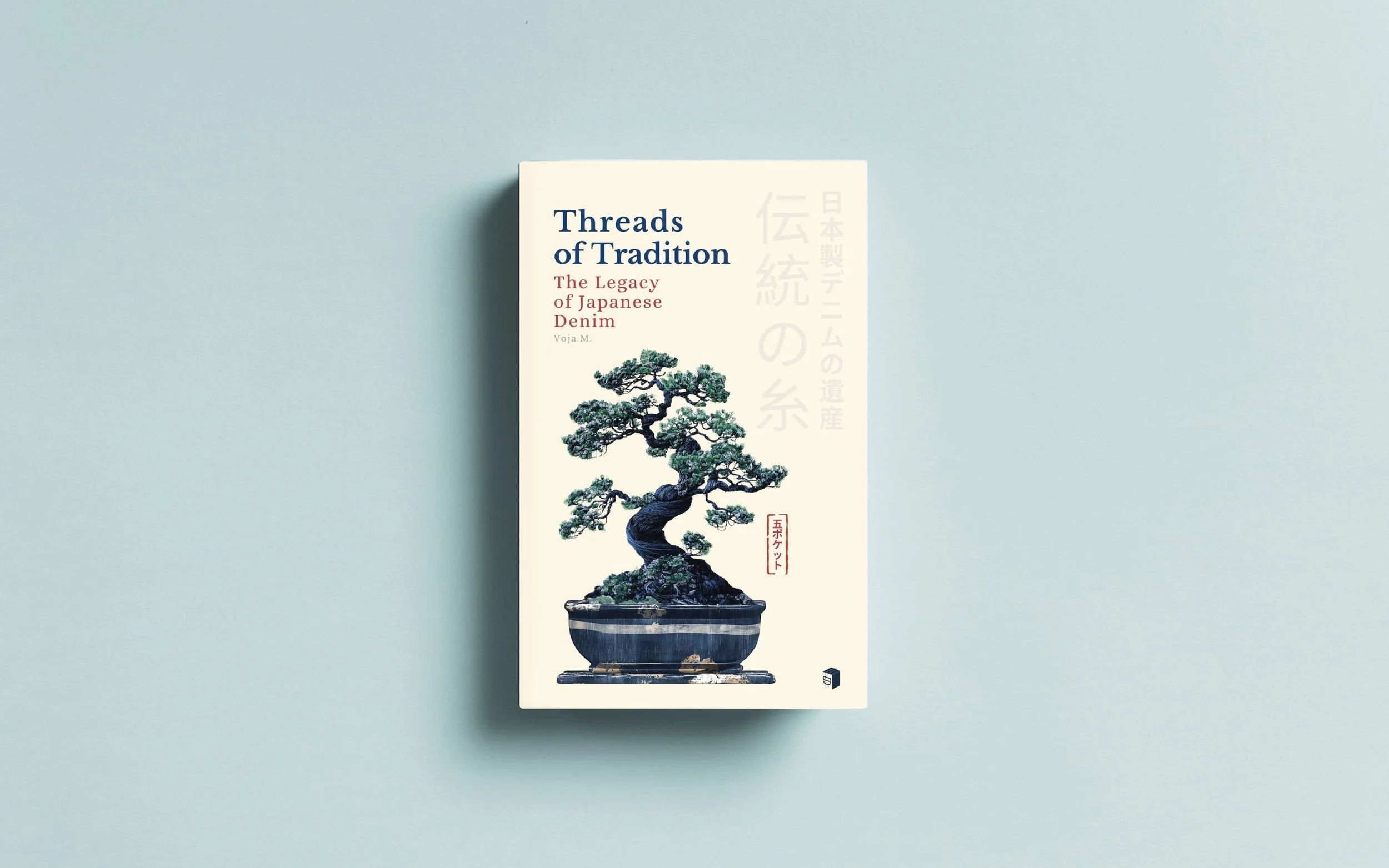
Where Denim Meets Tradition
This post barely scratches the surface of the indigo world.
In my book Threads of Tradition - The Legacy of Japanese Denim, I go far deeper into:
the secret world of Japanese indigo artisans
historical archives and rare dye methods
interviews with dye masters
the philosophy behind aizome
why Japanese mills revived indigo craft when the world moved on
and how natural indigo transformed denim into a global art form
If this chapter resonated with you, explore the full journey.
Get the Book - available on:
Amazon - Paperback & Kindle
Apple Books - Digital Edition
Google Books - eBook